

The Way of Water – Colorado River
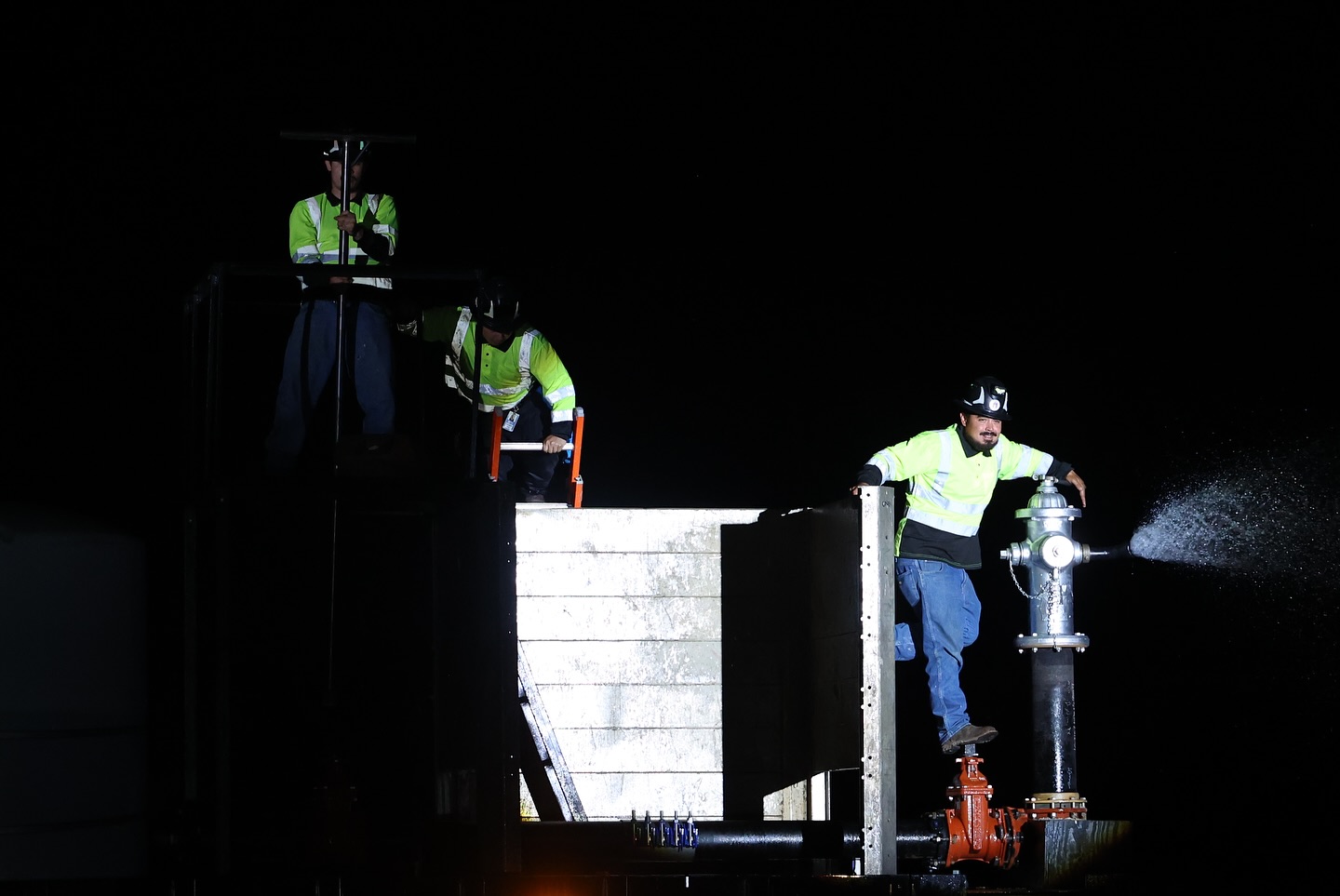
In November, Austin Water employees, in collaboration with Forklift Danceworks, did their final performance in a three-part series titled “The Way of Water – Colorado River.” The event was aimed at raising awareness about conserving the water that comes from the Colorado River while also showcasing the work those in the water sector do that often goes unseen. Part one took place near the Davis Water Treatment Plant to show where the water is taken out of the river; part two was a virtual scavenger hunt that took people on an adventure along the river; and part three was at Hornsby Bend, where treated wastewater returns to the river. Each part allowed the community to see the treatment journey from top to bottom. Learn more about “The Way of Water” projects happening globally.
EPA Planning Tools for Cybersecurity
In October, the Environmental Protection Agency (EPA) released new and updated planning tools for water systems to use to help prevent and respond to cybersecurity incidents. These included:
- Emergency response plan (ERP) guide for wastewater utilities: Updated plan that describes strategies, resources, plans and procedures utilities can use to prepare for and respond to an incident that threatens life, property or the environment.
- Template for developing an incident response plan: A new template that assists water and wastewater systems with developing a cybersecurity incident response plan (CIRP).
- Incident action checklist: Two new checklists to help water utilities prepare for, respond to and recover from emergencies such as wildfires, power outages, flood and cybersecurity incidents.
- Cybersecurity procurement checklist: A checklist to help water and wastewater utilities incorporate cybersecurity into the procurement process
Bioenergy Recovery Project
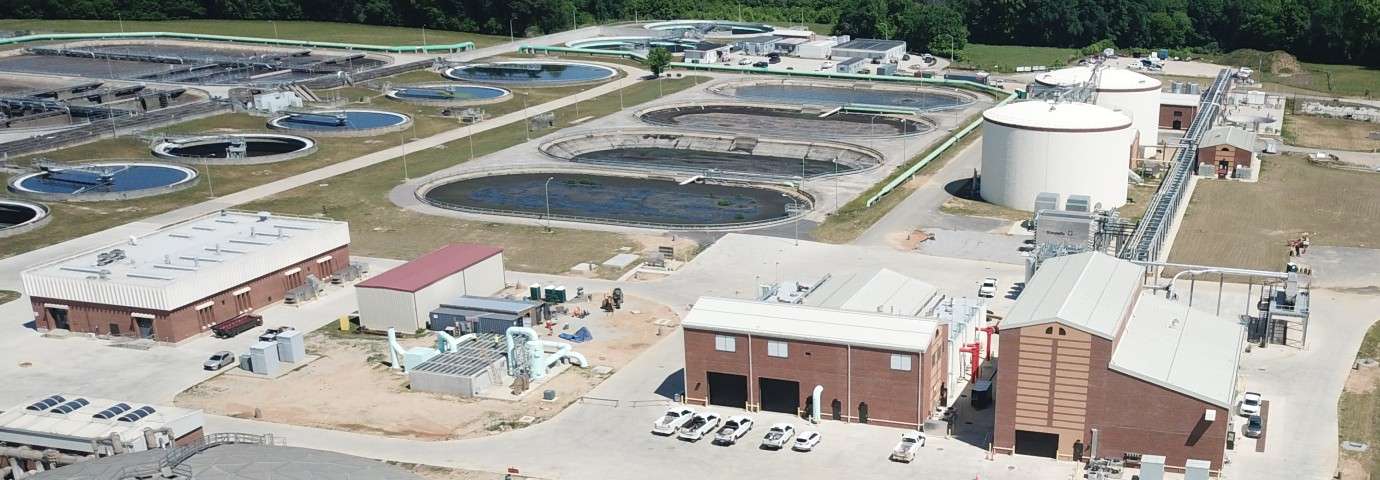
The Bioenergy Recovery Project at the Neuse River Resource Recovery Facility in Raleigh, North Carolina, is transforming wastewater biosolids into renewable natural gas (RNG). The system treats 50 million gallons of wastewater per day using anaerobic digestion and a thermal hydrolysis process. Once the biogas is captured and purified, it is then converted into pipeline-grade RNG and is injected into a nearby natural gas network. The gas is then used to fuel the city’s bus fleet, with enough gas being produced to fuel 70 buses a day.