

The International Energy Agency reports that worldwide investment in clean energy technologies was on track to hit $2.2 trillion in 2025. This is a historic milestone, as funding for renewable power, grid modernization, energy storage and low-emission fuels has surpassed spending on oil, gas and coal.
As momentum continues to build, organizations—from businesses to municipalities to national governments—are turning toward sustainable technologies to shape their energy future. This transition depends on reliant infrastructure, particularly wind turbines, solar panels and energy storage systems. Pumps are one key to supporting this shift by helping maintain system integrity across a wide range of clean energy power generation applications.
Wind and solar power—two of the planet’s most abundant natural resources—are now leading the global move toward renewable energy. By harnessing these resources, communities can reduce reliance on fossil fuels and meet rising energy demands with solutions that preserve both the environment and long-term resource availability.
Wind Power in Action
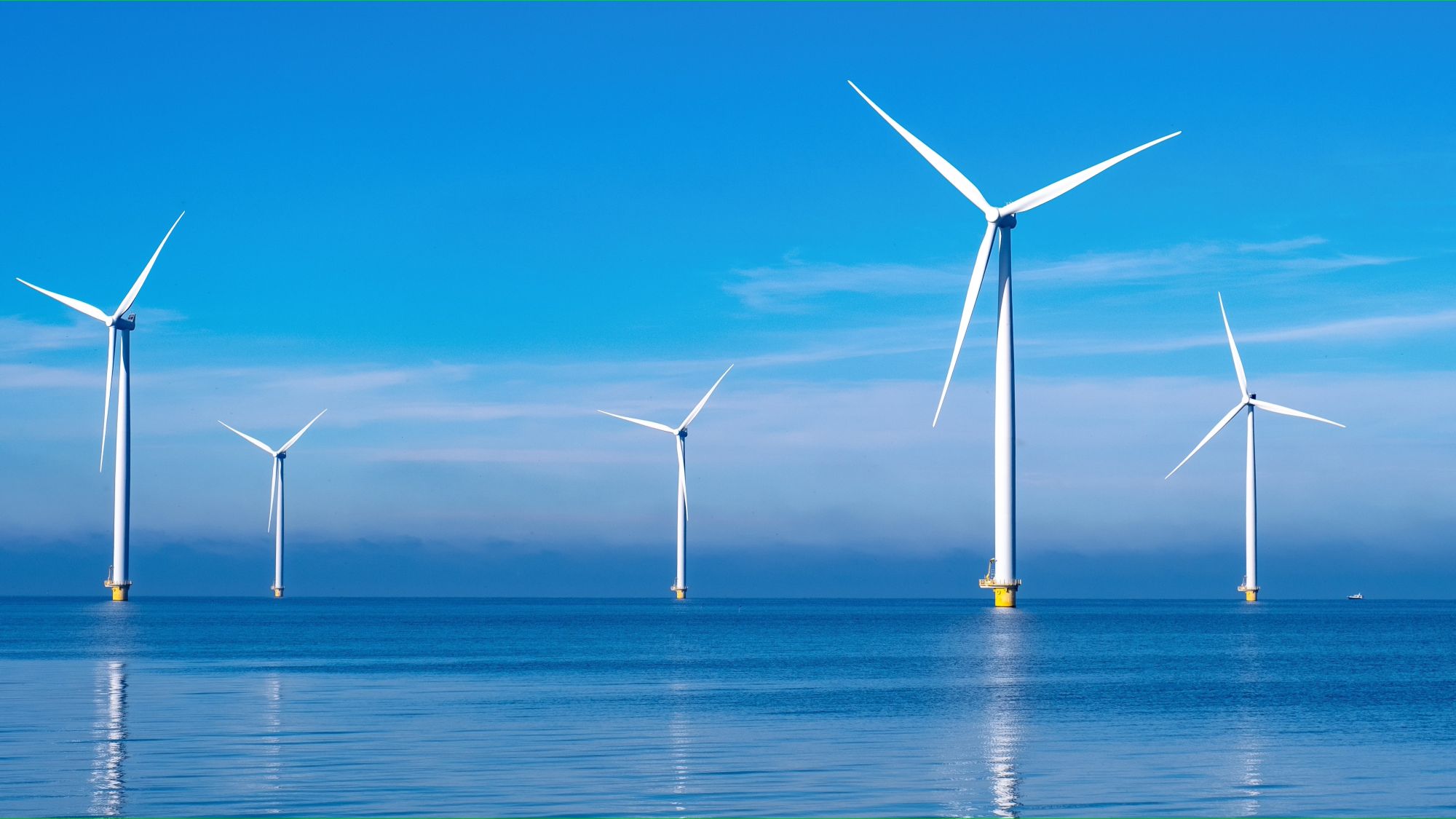
Wind farms generate clean, renewable power without producing emissions or straining water resources. Today, wind-generated electricity is one of the fastest-growing renewable energy sources worldwide. Onshore wind farms are currently operating in 135 countries, while 44 countries have offshore installations. In the United States, utility-scale wind energy is installed in 41 states, supporting more than 90,000 wind turbines nationwide. Currently, Texas is the nation’s leader in wind energy production, creating 28% of the country’s total wind power.
However, when it comes to generating the greatest percentage of statewide energy from wind, South Dakota leads the nation, with 44% of the state’s total electricity derived from wind power. In fact, seven states boast more than 20% of their total electricity generated from the wind: Iowa (35.6%), Kansas (35.1%), Oklahoma (28.8%), North Dakota (26.2%), New Mexico (25.5%) and Colorado (23.1%). Given these stats, experts estimate that by 2030, wind could provide up to 20% of the entire country’s electricity.
While wind power delivers tremendous energy potential, capturing that energy depends on the reliable operation of wind turbines. Given their size, the number of units in a typical farm and their often-remote locations, minimizing maintenance is essential.
That is why pumps used in wind power applications must be highly efficient and extremely low-maintenance, with key features necessary to deliver top performance for wind power applications. These include:
- Dependability: A pump failure can bring wind power systems to a halt. Pumps must be durable and engineered for consistent, long-term operation to keep turbines running smoothly.
- Low maintenance: Offshore wind farms continue to expand, but maintaining equipment in remote or marine environments can be costly. Pumps that minimize maintenance demands help conserve both time and resources.
- Sealless design: Magnetic-drive, sealless centrifugal pumps built with corrosion-resistant materials prevent leaks and spills, protecting both workers and the environment. Once installed, these pumps can operate for years with no maintenance and no risk of seal failure.
- Compact footprint: Pumps must fit seamlessly into the tight spaces within turbine systems. Flexible, compact designs ensure compatibility without sacrificing performance.
- High efficiency: Low power consumption and broad hydraulic coverage are essential for maintaining consistent, energy-efficient operation.
Powering Solar Innovation
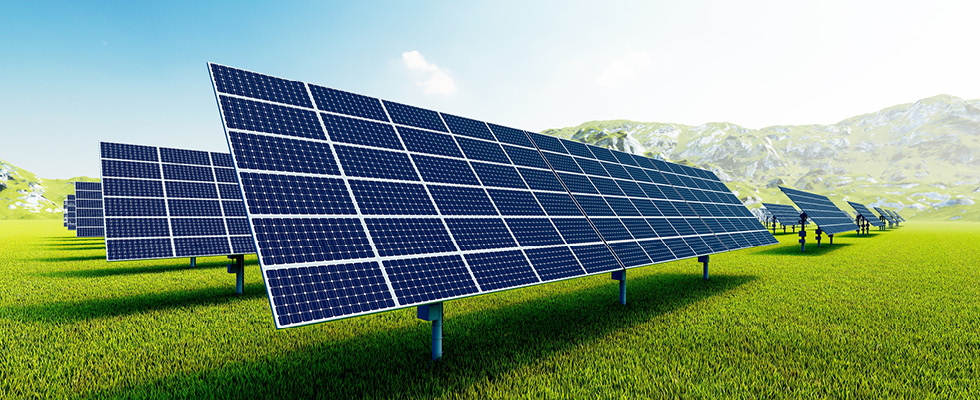
Solar power is one of the most dependable renewable energy sources available today. Not only does it represent 42% of global renewable energy capacity, but 7% of all global electricity generation comes from the sun.
In the United States, solar energy is rapidly becoming one of the fastest-growing sources of renewable energy. At the start of 2025, there were more than 5.2 million solar energy systems installed in the U.S., generating enough power to run 37.6 million households.
Texas currently leads the nation, accounting for 26% of all new solar capacity. But Florida is a close second, as it saw nearly 30,000 households switch to solar power in 2024. And thanks to a reduction in the cost of photovoltaic (PV) solar panels, experts predict that at least 15% of all American houses will have PV solar panels in the next five years.
PV solar panels generate electricity by converting sunlight into direct current through photovoltaic cells, which is then transformed into usable alternating current. In the course of manufacturing these solar panels, various chemicals are used, which release a number of byproducts and gases.
To effectively control and neutralize these emissions, manufacturers use advanced fume scrubbers—specialized pollution-control systems engineered to capture or neutralize harmful gases, vapors and odors before they reach the environment. Contaminated air flows through the scrubber chamber, where it interacts with a liquid—usually water-based or chemical—that absorbs or chemically reacts with the pollutants.
Pumps play a critical role in the efficiency of a fume scrubber. They circulate the scrubbing solution, maintain precise flow and pressure to spray nozzles and ensure consistent contact between air and liquid for optimal contaminant removal. Common functions include:
- Circulating neutralizing agents such as sodium hydroxide or sodium hypochlorite
- Supplying flow to packed towers and spray chambers
- Moving spent scrubbing liquids for treatment or disposal
- Introducing fresh chemical solutions into the system
- Safely handling corrosive or abrasive fluids with reliability
To accommodate these diverse applications, one of the most common pumps for fume scrubber systems are sealless, centrifugal magnetic-drive pumps. Engineered with outstanding corrosion resistance and proven reliability, mag-drive pumps are essential to fume scrubbers because they circulate the scrubbing liquid that captures and neutralizes harmful gases and particulates. By maintaining steady flow and pressure, pumps ensure the scrubber operates efficiently and consistently, protecting both air quality and equipment.
From Wasted Energy to Reliable Power
The rapid growth of wind and solar energy worldwide has created situations where power generation exceeds demand, often forcing renewable energy to be curtailed and wasting valuable resources.
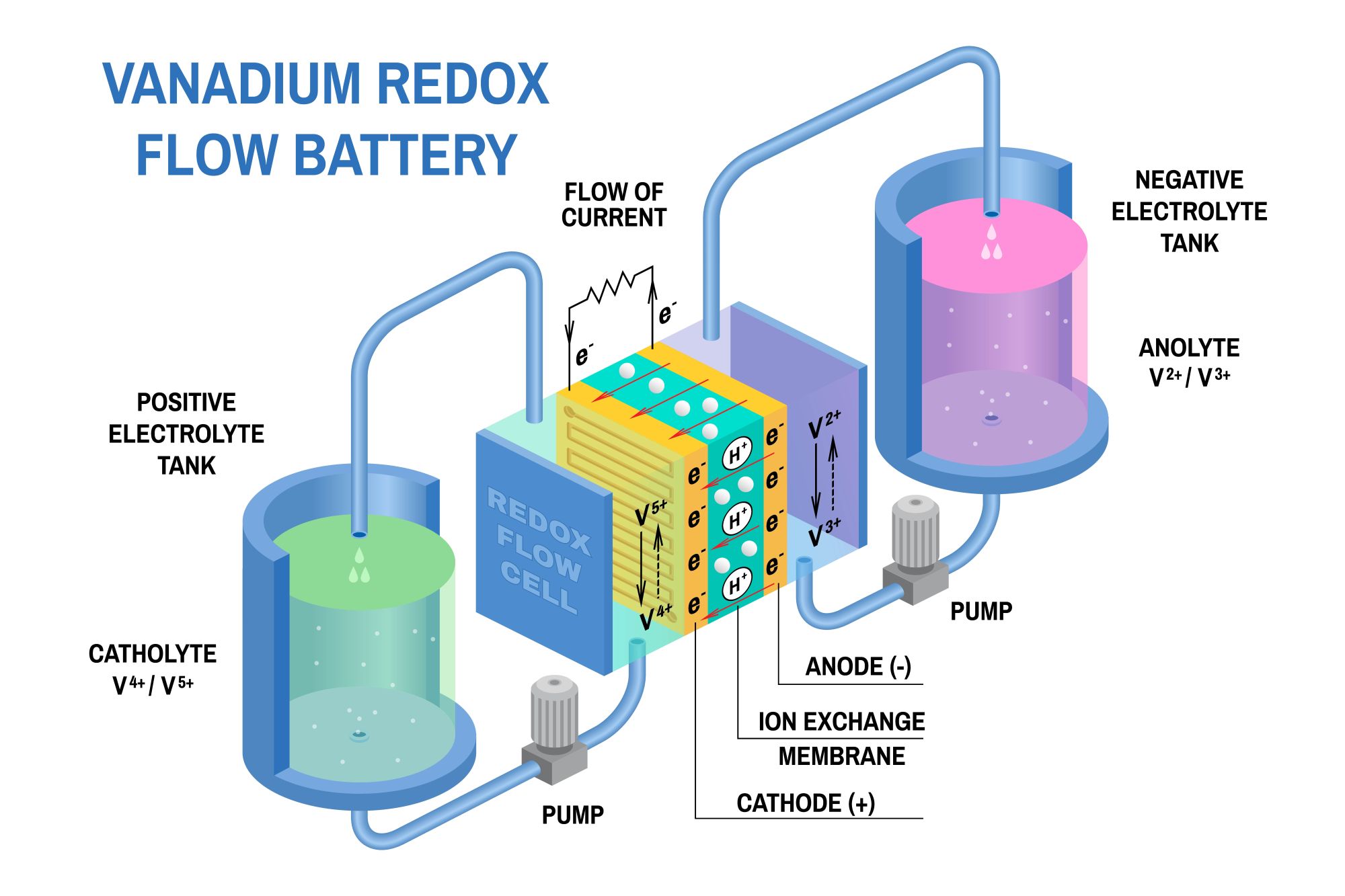
Fortunately, there is a solution: long-duration flow battery storage. Renewable energy from wind or solar is converted into electricity and used to drive an electrochemical reaction in a flow battery. This reaction stores energy in liquid electrolytes held in external tanks, ready to be released when demand rises.
Inside a flow battery, electrolytes are pumped from large storage tanks through separate loops to porous electrodes separated by a membrane. During discharge, electrons released on one side travel through an external circuit to the other side, powering the grid. When charging, the reactions reverse, storing energy for later use.
Because flow battery electrolytes are often corrosive, it is important to utilize pumps that can provide the smooth, pulseless flow required for reliable operation, such as mag-drive centrifugal chemical pumps built from corrosion-resistant materials. Since these pumps are engineered with nonconductive components, they are able to prevent electrical current from escaping the charged electrolytes—a critical safety feature.
As the demand for clean, reliable power continues to rise, high-performance pumps will remain essential to supporting the renewable energy infrastructure of tomorrow. The right pump solutions help unlock higher efficiency, safer operation and long-term sustainability.
For more on power generation, visit pumpsandsystems.com/tags/power-generation.