

Historically Effective
Hydroelectric power began with water wheels in the 4th century B.C., evolving from simple horizontal designs to the advanced vertical ones used in ancient Greece and Rome for irrigation and milling. In 1878, William Armstrong generated electricity from water at his Rothbury estate, and by 1882, the first hydroelectric plant powered paper mills in Wisconsin. Today, megaprojects like China’s Three Gorges Dam produce 22,500 megawatts, which is enough to power 5.4 million households monthly. From ancient wheels to modern dams, humanity has long harnessed moving water, making hydroelectricity a cornerstone of global energy.
Hydro vs. Other Renewables
Hydroelectric power plants achieve conversion efficiencies exceeding 90%, meaning nearly all the energy of flowing water is transformed into electricity. In comparison, solar panels tend to average 20%-25%, and wind turbines generally operate at 35%-50% efficiency under optimal conditions. This greater efficiency translates into lower energy losses and higher returns on investment for industrial operations.
For pumping systems, where energy demand is continuous and substantial, hydropower’s efficiency ensures stable power delivery without the volatility sometimes associated with other renewables.
Recent Surge in Generation
After hitting a low point in 2024 due to drought conditions, U.S. hydropower generation is rebounding. The Energy Information Administration (EIA) projects a 7.5% increase in 2025, bringing output to approximately 259 billion kilowatt-hours (BkWh), or about 6% of total U.S. electricity generation. This surge is largely attributed to improved water availability in key regions such as the Pacific Northwest and the Rockies, where snowpack and precipitation levels have normalized after years of drought.
The Northwest remains the hydropower powerhouse of the nation, producing nearly half of all U.S. hydroelectricity. Facilities along the Columbia and Snake Rivers are expected to see generation rise by 17% compared to 2024, thanks to favorable hydrological conditions.
Getting Pumped About Pumped Storage Systems
One of hydropower’s most strategic advantages is its synergy with pumped storage hydropower (PSH). Acting as a “water battery,” PSH stores excess energy during low-demand periods by pumping water to elevated reservoirs and releases it during peak demand. This capability ensures energy availability for critical pumping operations and mitigates grid fluctuations.
PSH is poised to remain the backbone of long-duration energy storage as the global energy system accelerates toward decarbonization. Representing over 90% of utility-scale storage worldwide, PSH offers reliability and scalability, making it indispensable for integrating variable renewable energy sources like wind and solar. The future of PSH is being shaped by technological innovations and evolving market dynamics. Advanced variable-speed pump turbines and AI-driven control systems are enabling greater operational flexibility, allowing plants to respond rapidly to grid fluctuations and optimize efficiency.
Closed-loop configurations, which minimize environmental impacts by avoiding direct connections to natural waterways, are gaining traction, while underground and offshore pumped storage concepts promise to overcome geographic constraints and reduce land-use conflicts.
Globally, the development pipeline for PSH exceeds 600 gigawatts (GW), with annual additions nearly doubling in recent years, signaling strong momentum. China leads this expansion, targeting over 120 GW by 2030, while Europe and North America are investing heavily in modernizing existing facilities and deploying new projects to bolster grid resilience.
Emerging business models, including participation in capacity markets and provision of ancillary services such as frequency regulation, are creating new revenue streams that enhance the economic viability of PSH. However, challenges remain: High upfront capital costs, lengthy permitting processes and environmental considerations require innovative financing mechanisms and streamlined regulatory frameworks.

Looking ahead, PSH is expected to complement other storage technologies rather than compete with them, serving as a cornerstone for multiday and seasonal storage needs that batteries cannot economically fulfill. As climate volatility increases and renewable penetration rises, pumped storage’s ability to deliver large-scale, low-carbon energy will make it a strategic asset for achieving net-zero goals. By 2030, advancements in design, digitalization and sustainability practices will likely transform PSH into a more flexible, efficient and environmentally responsible solution, reinforcing its role as the “water battery” of the clean energy future.
For industrial pumping systems, pumped storage provides a buffer against energy price volatility and enhances operational resilience.
Cost-Effectiveness Over the Long Term
While initial capital costs for hydro projects can be high, their operational lifespan often exceeds 50 years, with minimal maintenance compared to wind or solar installations. Levelized cost of electricity (LCOE) for hydropower remains among the lowest in the renewable sector, making it an economically sound choice for industries with high energy demands.

Environmental & Community Benefits
Hydropower produces near-zero emissions during operation, significantly reducing carbon footprints. Modern projects incorporate fish ladders and ecosystem management strategies to minimize environmental impact. Reservoirs created for hydro plants often serve multiple purposes—irrigation, flood control and recreation—adding community value beyond energy generation.
Global & U.S. Market Snapshot
Global share: Hydropower accounts for roughly 16%-18% of global electricity generation, more than all other renewables combined.
U.S. capacity: The U.S. fleet includes 2,252 plants with 80.58 GW capacity, producing about 6% of total electricity and 28.7% of renewable generation.
Maintenance & Repair of Hydro Units
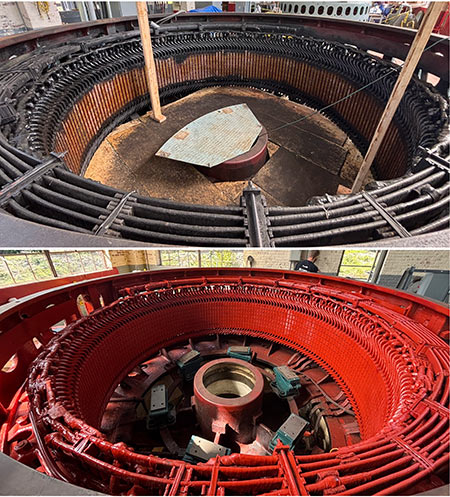
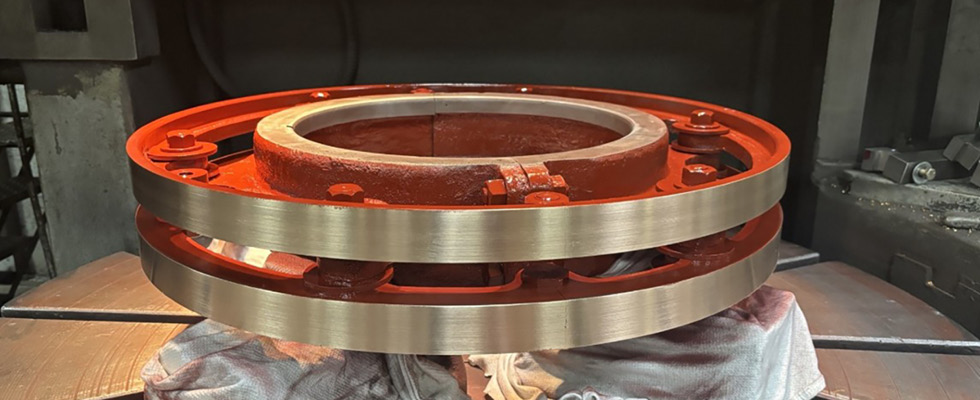
Hydro generator repair and maintenance are essential for ensuring reliable power generation and extending equipment lifespan substantially. Regular inspections and testing help identify wear, corrosion and electrical faults before they escalate into costly failures. Maintenance tasks include solvent or dry ice cleaning of the windings and stator core; collector ring and brush rigging refurbishment; alignment checks; and monitoring vibration levels to prevent mechanical damage. Repairs often involve replacing worn bearings, rewinding stators and restoring rotor pole insulation integrity.
Implementing a proactive maintenance plan minimizes downtime, improves efficiency and safeguards operational safety. By addressing issues promptly and seeking out expert assistance when needed, hydro generators can deliver consistent performance and support sustainable energy production for large utilities and independent power producers.
Why It Matters for Pumps & Systems
Industrial pumping systems often run continuously, requiring stable, high-quality power. Hydropower’s efficiency and reliability reduce operational risks, while pumped storage ensures energy availability during peak loads. For water-intensive industries such as mining, agriculture and municipal water treatment, hydropower aligns perfectly with sustainability goals and cost control strategies.
For industries reliant on pumps and fluid systems, investing in hydropower-backed infrastructure offers long-term benefits: lower costs, reduced emissions and operational stability.