

caw-al.gov/about-us/cahaba-museum-conference-center/
This month, we had the chance to speak with Denecia Stinson, the museum coordinator for Central Alabama Water’s Historic Cahaba Pumping Station in Birmingham, Alabama. As several of our editors are from Birmingham, this was an exciting opportunity to see how the history of the pumping industry is being honored in our very own backyard.
When was the Historic Cahaba Pumping Station founded, and what motivated its creation?
The Cahaba Pumping Station was constructed between 1887 and 1890 by the Birmingham Water Works Co. At that time, Birmingham was booming as a growing industrial city. There was an urgent need for a dependable water supply to support both the population and expanding industries. The Cahaba River was chosen as the source, and the pumping station was built to move water nearly 485 feet uphill to reservoirs on Shades Mountain, where it could be distributed throughout the area. The project was an incredible achievement of engineering for the late 1800s. Materials and massive machinery were transported over Red Mountain by rail, then pulled several miles through rocky terrain by oxen-drawn wagons. One of the first pumps installed, which weighed nearly 200,000 pounds, was even called the largest in the world at the time. This truly marked the beginning of modern water infrastructure in Birmingham.
What are some notable exhibits the museum has had over the years?
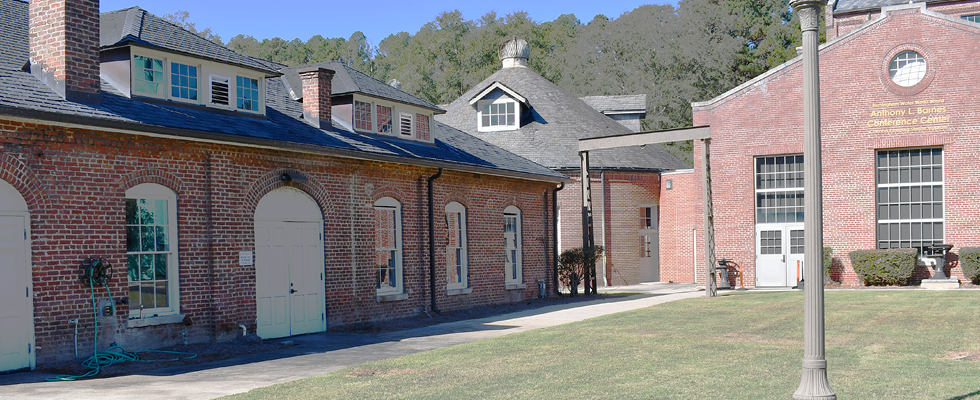
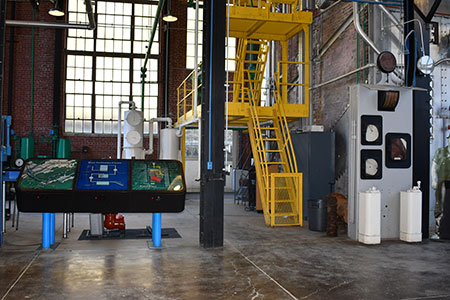
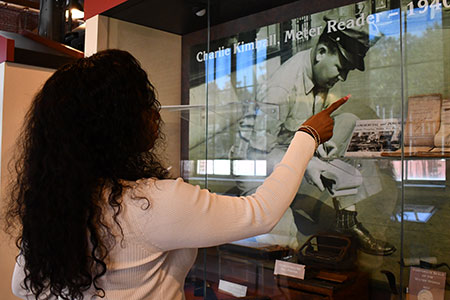
Visitors to the Cahaba Museum and Conference Center can see many of the original mechanical components that once powered the pumping station, including historic pumps, valves and gauges. There are also wooden water pipes from the late 1800s, which always capture people’s attention because it’s fascinating to imagine a city once relying on wood for its water lines. The museum features archival photographs, maps and displays highlighting the Cahaba coal mine that supplied fuel for the station’s steam engines. There are interactive exhibits to help visitors visualize how water was drawn, lifted and distributed. The museum blends industrial history with local storytelling in a way that’s both educational and visually engaging.
What kinds of educational programs does the museum offer?
The museum functions as both a historical learning center and a training facility, offering guided tours for students, civic groups and the public. These tours walk visitors through the early days of our region’s water system and demonstrate how the technology evolved over time. The facility also serves as a conference and workshop venue, hosting educational seminars, technical training and water conservation programs. Beyond formal events, every visit is a learning experience. Guests leave with a new appreciation for the engineering, innovation and effort that were required to deliver clean water to a growing city more than a century ago.
Do you have any notable stories to share from the museum’s history that might interest our readers?
One of the most remarkable stories is about the pump installation in 1889, when Birmingham received what was then promoted as the largest water pump ever built. It had to be shipped on five railroad cars, then moved over mountain trails by oxen to the station site, a process that took three long days. There’s also the story of the community that grew up around the facility, then called New Merkel and currently known as Cahaba Heights. It was home to many of the workers who built and operated the station. Another interesting detail, the site once had its own coal mine and even fired its own bricks for construction. It’s these kinds of stories that make the station’s history so rich.
Why do you think the museum is an important addition to the community?
The Cahaba Museum and Conference Center is important because it connects the present to the past. It preserves an essential part of the area’s industrial and civic history while reminding us how critical clean, accessible water has always been. It’s also a symbol of innovation and resilience—the same spirit that built Birmingham in the first place. For students, engineers and everyday residents, the museum offers a chance to see how infrastructure, technology and teamwork came together to build a thriving city. Beyond that, it’s a gathering place for the community—a space where history, education and connection flow together.
Is there anything else you’d like readers to know about the museum or the history it preserves?
We’d love for readers to know that Central Alabama Water’s Cahaba Pumping Station is a living piece of Birmingham’s story. The museum stands as a tribute to the people who worked tirelessly to create progress out of challenge, and it continues to educate and inspire visitors today. We encourage everyone to visit, take a tour and see firsthand how something built over 130 years ago still impacts the way our region lives and grows. They can email public.relations@caw-al.gov for information about scheduling a tour.