

Water appears in the construction industry in many forms, and its role can be either positive or problematic. It is useful when intentionally integrated into a process or when a project involves capturing or reusing water. More often, though, it becomes a problem, especially when groundwater or rainwater accumulates in a recently excavated area. In any case, having a reliable construction pump is essential for keeping water under control and the project moving forward.
Submersible pumps are a frequently used solution in all types of construction projects. For example, they protect valuable equipment and prevent job sites from turning into muddy messes. Submersible pumps can also be incorporated into water reuse systems or can be installed below ground to operate with minimal impact on the surrounding area.
This article explores submersible pumps in construction projects. It features two major infrastructure projects: the replacement of the Tappan Zee Bridge in New York and the reconstruction of sea walls in Galveston, Texas.
Key Considerations for a Construction Pump
Construction sites operate in a wide range of environments and impose demands that few other industries face: handling abrasive solids in high-concentration suspensions such as sand, gravel or slurry; maintaining a constant flow of sludge and gritty materials; and preventing pump corrosion.
Construction pumps must combine several key features to be truly effective:
Reliability: A failed pump on a construction site can be catastrophic. Flooding puts personnel and machinery at risk and causes costly project delays. Therefore, pump reliability is critical.
Portability: Construction sites are often remote and dynamic. Workers may need to relocate pumps as project phases change. Lightweight, portable units offer needed flexibility.
Customizability: Every construction project is unique. Modular pumps adapt to the specific water management needs of each site.
- Extended cable lengths: Some operations require remote power for the pump(s). The ability to install longer cables enables pumps to meet site requirements. Extended cables also provide flexibility to relocate pumps as needed for the project.
- Intelligent controls: Modern systems go beyond simple on/off operation. Options such as floatless level sensing, variable frequency drive (VFD) operation to improve efficiency and load management and multipump coordination enable more innovative and efficient dewatering strategies.
When combined with rugged base designs, such as double mechanical seals, abrasion-resistant impellers or hardened wear rings, these features allow pumps to be engineered for reliability under virtually any conditions.
Partnering with a manufacturer can ensure an optimal fit for any application. This might mean a stand that secures the control during operation and transports both the control and pump around the site. Alternatively, it could be a custom strainer or a fixture enabling the pump to fit inside a narrow casing. This adaptability is indispensable in the challenging, time-sensitive world of construction.
CASE STUDY
Tappan Zee Bridge Replacement
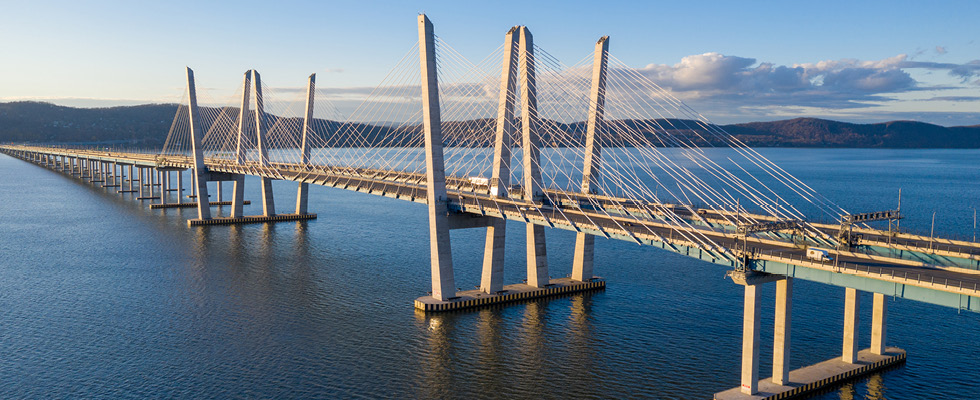
The New NY Bridge project, an initiative to replace the aging Tappan Zee Bridge, presented an interesting combination of engineering and environmental challenges. The 3.1-mile span over the Hudson River carried over 138,000 vehicles daily, necessitating that the replacement be built quickly, safely and without disrupting existing traffic patterns.
In addition to tight time and budget constraints, construction required the controlled movement of large volumes of river water to support proper curing of massive concrete pylons without compromising structural integrity.
At the same time, strict environmental regulations mandated that the surrounding river ecosystem remain protected throughout the process. This included preventing harm to fish, larvae and aquatic habitats, as well as ensuring minimal impact on water temperature and quality.
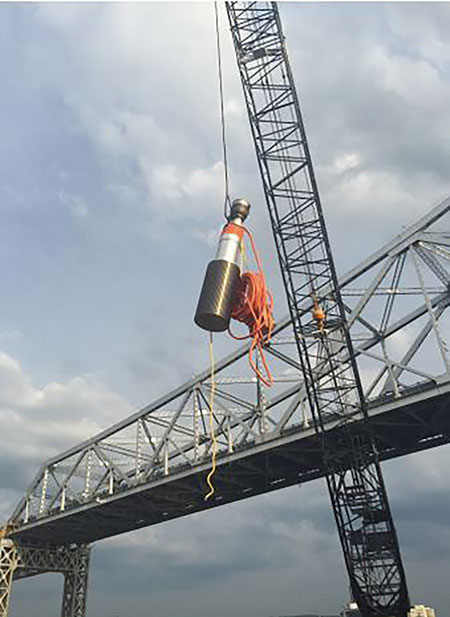
Dewatering pumps were selected for their ability to deliver consistent high-pressure flow—up to 430 gallons per minute (gpm) and 165 pounds per square inch (psi)—which is critical for curing concrete in the tower pylons.
To meet environmental requirements, each pump was equipped with 5-millimeter (mm) wedge wire screens to prevent the intake of fish and larvae. Temperature controls were also implemented to ensure that water used in the operation did not raise the river’s temperature by more than three degrees.
More than 50 pumps were deployed across the site, performing reliably without failures.
CASE STUDY
Galveston Seawall Reconstruction
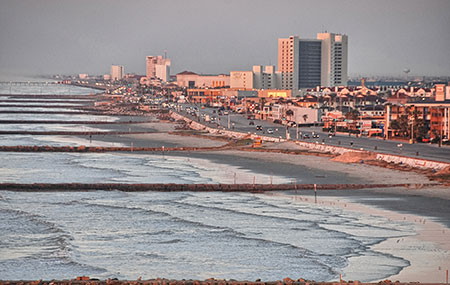
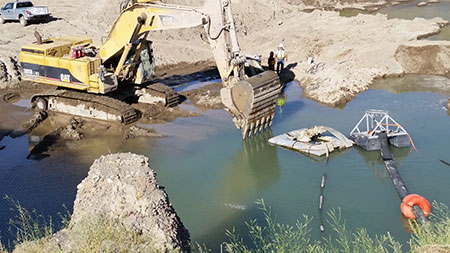
After Hurricane Ike struck in 2008, Galveston, Texas, faced major infrastructure repairs, including rebuilding damaged sections of its historic 17-foot seawall. Downtown flooding left six feet of standing water, and reconstruction crews worked in a city only a few feet above sea level. One of the most difficult challenges was keeping water out of the work zones using cofferdams.
The construction team relied on dewatering pumps to protect worksites, but their existing pumps frequently failed. Problems included:
- Clogging from silt and sand
- Corrosion from saltwater and abrasive solids
- Frequent downtime from 24/7 operating cycles wearing out motors
- Frequent relocation between jobsites
To keep projects on schedule, the city needed portable, durable pumps capable of handling abrasive solids while operating continuously in harsh, salty environments. After extensive research and field testing, the team replaced their failing pumps with lightweight, hard-metal dewatering agitator pumps.
The pumps were engineered for abrasive environments and included:
- Built-in agitators to mix settled solids with water, maintaining sump volume and discharge flow
- Abrasion resistance from chrome iron impellers and wear plates, plus hardened ductile iron volutes and agitators
- Lightweight, portable construction for fast relocation between sites
- Power options up to 10 horsepower (hp), with flows of 475 gpm and heads of 117 feet (ft)
The team tested several units across multiple projects and found them reliable. Their excellent performance and long service life led to the city ordering 25 more pumps for ongoing seawall and infrastructure work.
From massive bridge replacements to coastal flood control systems, construction projects require reliable pumping solutions to keep water under control and the project moving forward under relentless, unpredictable conditions.
Submersible pumps that combine reliability, portability and custom-engineered features are essential tools that keep projects safe, on schedule and compliant with environmental requirements. With the right pumping technology in place, even the most demanding worksites can move forward with confidence and efficiency.
For more on construction, visit pumpsandsystems.com/tags/construction.
For more on submersible pumps, visit pumpsandsystems.com/tags/submersible-pumps.