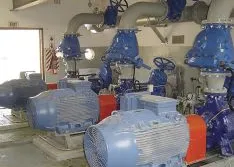
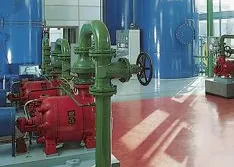
Today’s innovations in drive technology and design offer powerful benefits even beyond energy savings.
Motors
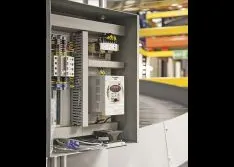
Motors are the most common source of power used by pumping systems. This technology is heavily regulated. Pumps by themselves are not variable speed, an option that many systems need to operate with peaks and ebbs during the run cycle, such as power generation. The addition of a variable frequency drive (VFD) gives it that capability.
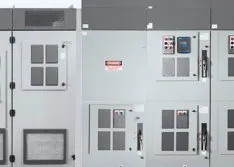
Corrections can be a sustainable, cost-saving measure and should be considered by companies with a large installation of these types of motors.
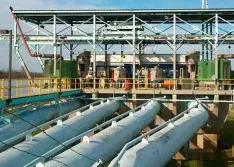
A Mississippi River levee, an Indiana water plant and an Ohio municipality take advantage of ease of installation and significant energy savings—as much as $2 million up front.
Achieve pump and motor longevity by providing proper storage, avoiding pre-service damage, and conducting sound handling and maintenance procedures.
Users should consider system changes to comply with the new EISA standard.
To ensure the best system setup, end users must first consider operating conditions, then conduct thorough cost-benefit calculations.
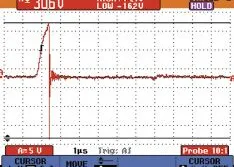
In plants that process combustible materials, these motors avoid electrical damage often caused by energy-saving inverters.
Process control software reduces costs while increasing process accuracy and protection.
The Chinese government is promoting greater automation and optimization of processes to improve the energy utilization rate.